AI & 3D Photogrammetry: Enhancing Craft, Not Replacing It
1. AI as an Enhancement Tool, Not Just Generative
In recent years, artificial intelligence has often been associated with automated content generation. However, our vision, aligned with the perspective shared by Florian Croquet from Scan Engine, is different.
We believe that the true value of AI today lies in enhancement, meaning the qualitative improvement of assets created through traditional, craft driven processes.
A concrete example is SKAP by Texturing XYZ:
- It starts from already solid photogrammetry data
- It enhances micro details and texture quality
- It brings assets from production ready to VFX level
In our transmedia project Vera, we use these technologies to:
- Elevate the quality of photorealistic textures
- Maintain full artistic control
- Reduce the gap between real world capture and final cinematic output
AI does not replace scanning, it completes and refines it.
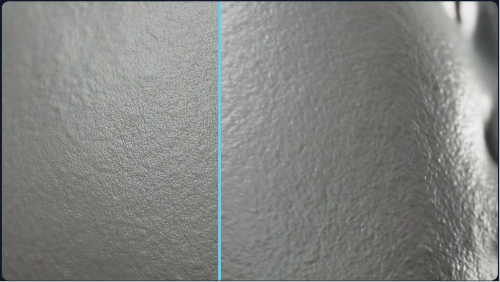
SKAP TECHNOLOGY: https://skap.texturing.xyz/usecases/from-raw-photogrammetry-to-vfx
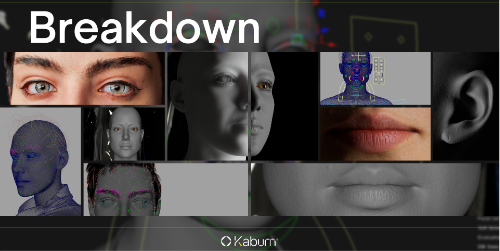
2. AI as an Assistant for Artists
In the Vera project, we adopt AI tools that assist the artist without replacing them.
A key example is Cascadeur, which introduces advanced features:
- AutoPosing
Automatic body positioning through a few control points accelerates the creation of natural poses - AutoPhysics
Realistic simulation of weight, balance, and inertia improves motion credibility - AI Inbetweening
Automatic generation of smooth transitions between poses significantly reduces manual keyframing - Animation Unbaking
Converts baked animations into editable keyframes, giving control back to the artist
In this scenario, AI becomes a productivity multiplier, not a creative replacement.
Link to Cascadeur main features: https://www.youtube.com/watch?v=VlucgcOt9-M
3.Enhancing Photogrammetry for Heritage and Museums
In the museum and cultural heritage sector, we work with large datasets often captured via drone.
These datasets present several limitations:
- Sensors are not always high quality
- Acquisition conditions are not fully controllable
- Real world surfaces are highly complex
We use 3DF Zephyr to:
- Process large amounts of images
- Reconstruct complex 3D models
- Prepare assets for real time and VFX pipelines
AI plays a key role in:
- Enhancing surface details
- Cleaning and optimizing textures
- Compensating for hardware limitations during acquisition and more
This approach allows us to preserve cultural heritage with higher quality standards, without requiring extremely expensive capture equipment.
Some examples from our archive
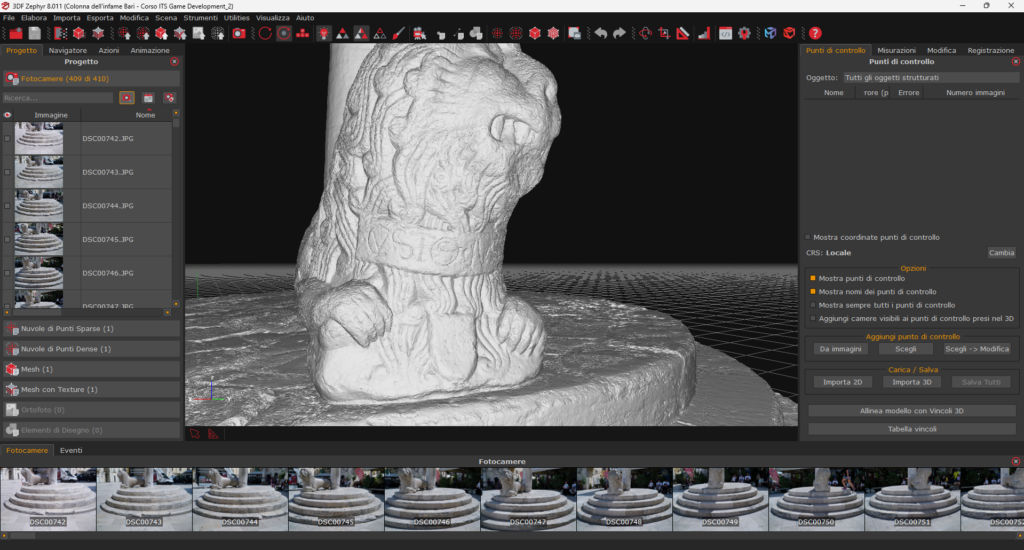
Link to other cultural Heritage post here
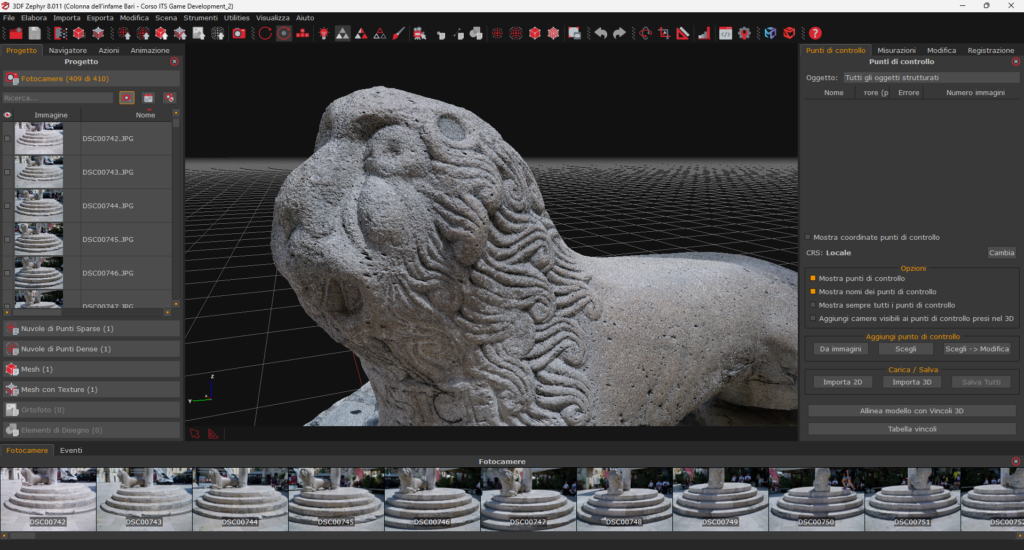
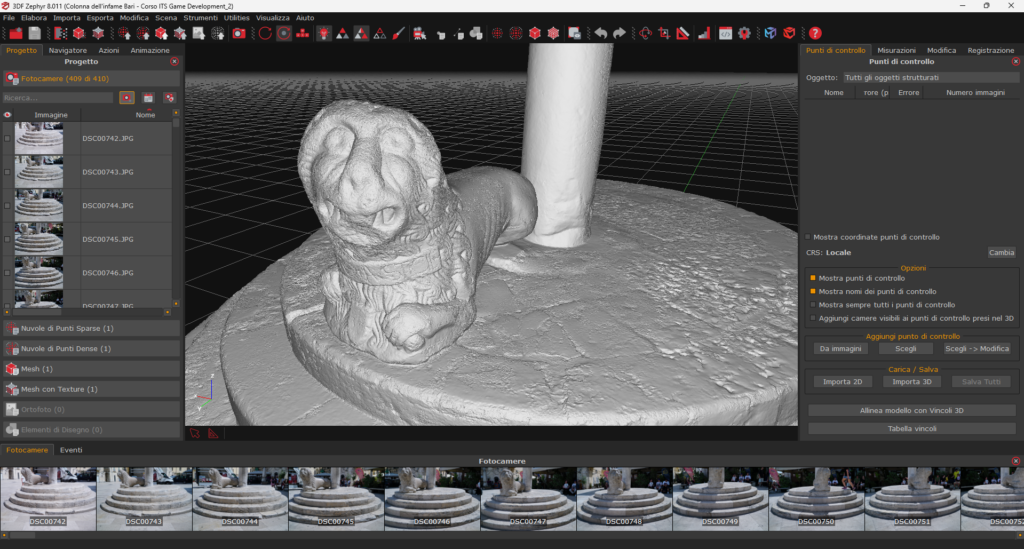
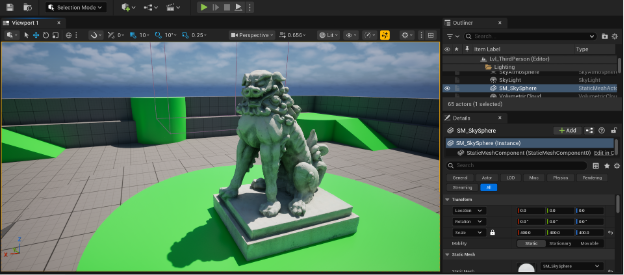
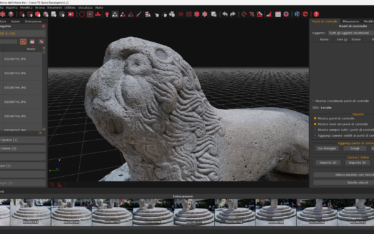
Last work on Komainu statue (dataset from Open Heritage ) developed as a case study for the 3D Artist courses for Game Developers and Digital Video Design held at ITS APULIA DIGITAL
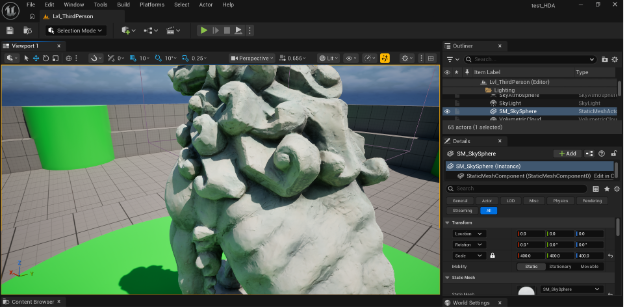
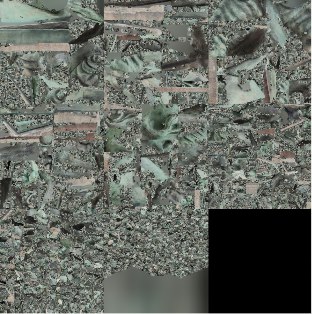
Texture obtained from photogrammetric scanning.
4. Experimental Pipeline: AI-Assisted Tool Development
We are exploring the integration of Claude as an MCP within Blender.
Not for asset generation, which is still too inaccurate, but to:
- Support internal tool development
- Automate repetitive tasks
- Accelerate add on creation
This approach aligns with the philosophy of the Blender Foundation:
- Open source
- Sharing
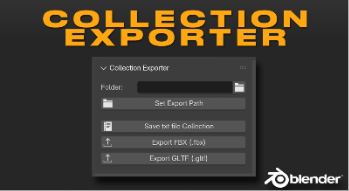
- AccessibilityConcrete example: “Collection Exporter”
A tool we have already developed and distributed for free:
Key features:
- Batch export of collections
- FBX and GLTF support
- Automatic folder organization
- Preservation of object names and hierarchy
- Seamless integration with game engines
Compatible with Blender 4.3 and 5.1.1
Goal: to create tools that simplify the creative workflow and give them back to the community.





Recent Comments
No comments